















1. What is the Vung Tau Cotton Tree Road?
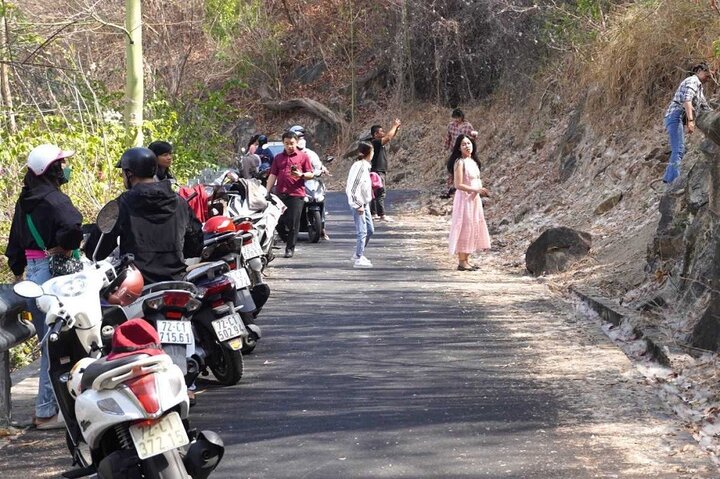
The Vung Tau Cotton Tree Road is a road leading up to the Vung Tau Lighthouse (Small Mountain) – one of the most famous tourist attractions in the coastal city. It is not a major street in the city center, but rather a small, winding road that follows the mountain slope, branching off from Ha Long Street and passing through pristine natural surroundings with expansive sea views in the distance. Along both sides of the road are numerous cotton trees – a species that, when in season, bursts into clusters of pure white cotton, creating a dreamy, poetic landscape that looks almost like a painting.
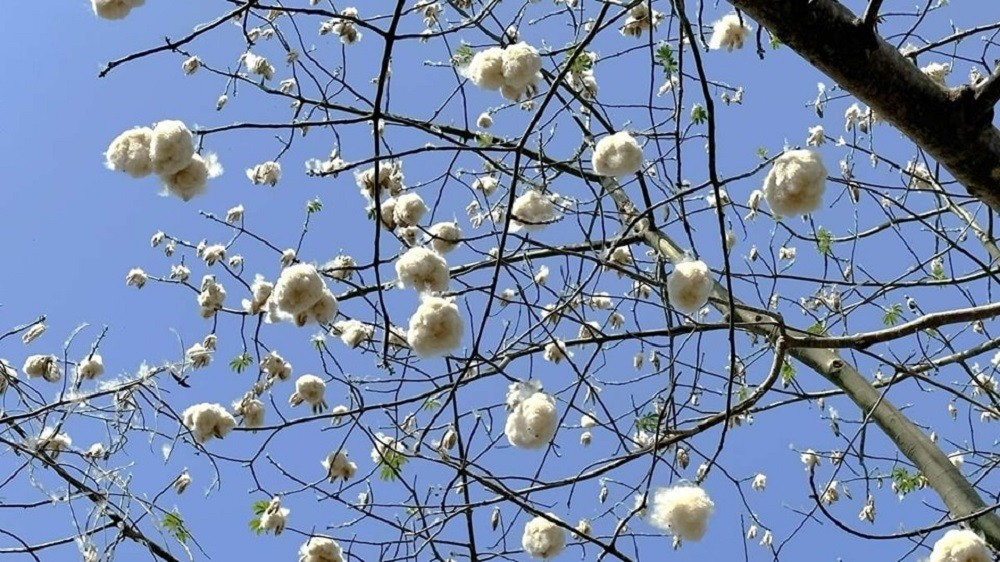
The cotton tree road covered in pure white blossoms in Vung Tau (Source: Collected)
The Vung Tau Cotton Tree Road is located along the route leading to Vung Tau Lighthouse, one of the city’s most popular check-in destinations, offering panoramic views of the coastal city. When turning in from Ha Long Street, the road gradually takes visitors through mountain slopes lined with lush greenery. During the blooming season, the pure white cotton blossoms cover the road like a “snow carpet between the sky and the sea” – a natural experience unlike any other check-in spot in Vung Tau.
What makes the Vung Tau Cotton Tree Road particularly striking is its distinctive natural scenery during the blooming season: rows of cotton trees burst into white, snow-like blossoms against the blue sky and expansive sea. The scene not only fascinates visitors but also reminds many young travelers of the atmosphere of a “snowy Korea” – a rare sight in Vietnam that has turned this road into a social media phenomenon whenever the trees are in bloom.
More than just a beautiful photography spot, the Vung Tau Cotton Tree Road also offers visitors a unique experience: from the surprise of suddenly encountering a road covered in white cotton, to the sense of peace and relaxation when walking amid the vast sky and sea, as well as the opportunity to combine nature exploration with scenic viewpoints overlooking Vung Tau from above. This makes it different from other familiar check-in destinations in Vung Tau, such as Front Beach and Back Beach or the historic lighthouse area.
2. Location and Directions to the Vung Tau Cotton Tree Road
2.1. Exact Location of the Vung Tau Cotton Tree Road
The Vung Tau Cotton Tree Road is located along the route leading to Vung Tau Lighthouse – one of the most famous attractions in the coastal city. Specifically, the road is situated in the Small Mountain (Tao Phung) area, beginning at the intersection with Ha Long Street and winding along the mountain slope toward the summit.
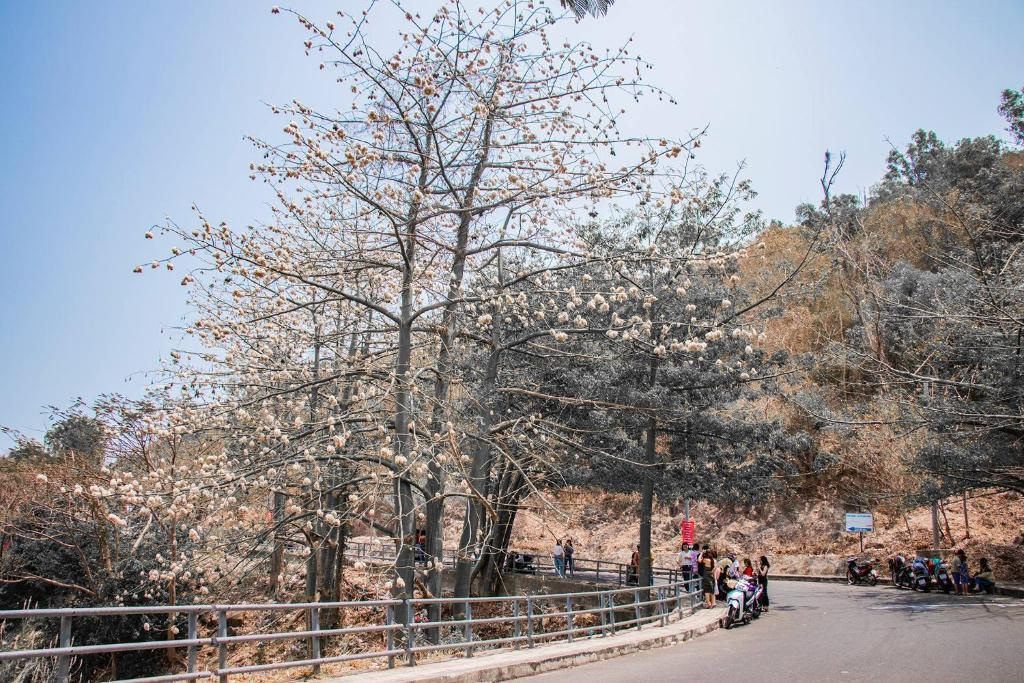
The cotton tree road is located near the Small Mountain area (Source: Collected)
Unlike the busy streets in the city center, this area has a quiet and open atmosphere, surrounded by greenery with direct views toward the sea. Its unique “mountainside – seaside” location creates ideal conditions for cotton trees to grow and bloom in abundance, forming striking white patches that give the road a distinctive character whenever the blooming season arrives.
2.2. How to Get to the Cotton Tree Road from Vung Tau City Center
From central Vung Tau, visitors can easily reach the Vung Tau Cotton Tree Road within approximately 10–15 minutes. Starting from the Front Beach area, follow Quang Trung or Tran Phu Street, then turn onto Ha Long Street – the coastal road that runs closely along the slopes of Small Mountain.
As you travel along this road, simply follow the signs to Vung Tau Lighthouse and you will soon encounter the section lined with cotton trees on both sides. This is the area where many visitors stop to take photos. The route is relatively easy to navigate, with a smooth paved surface and several bends that are not particularly sharp, making it suitable even for first-time visitors to Vung Tau.
2.3. Transportation Options for Reaching the Vung Tau Cotton Tree Road
To fully appreciate the beauty of the Vung Tau Cotton Tree Road, traveling by motorbike remains one of the most popular options. Riding a motorbike allows you to stop whenever you want to take photos, admire the scenery, or simply enjoy the feeling of riding slowly through the sea breeze and the gentle white tones of the cotton blossoms.
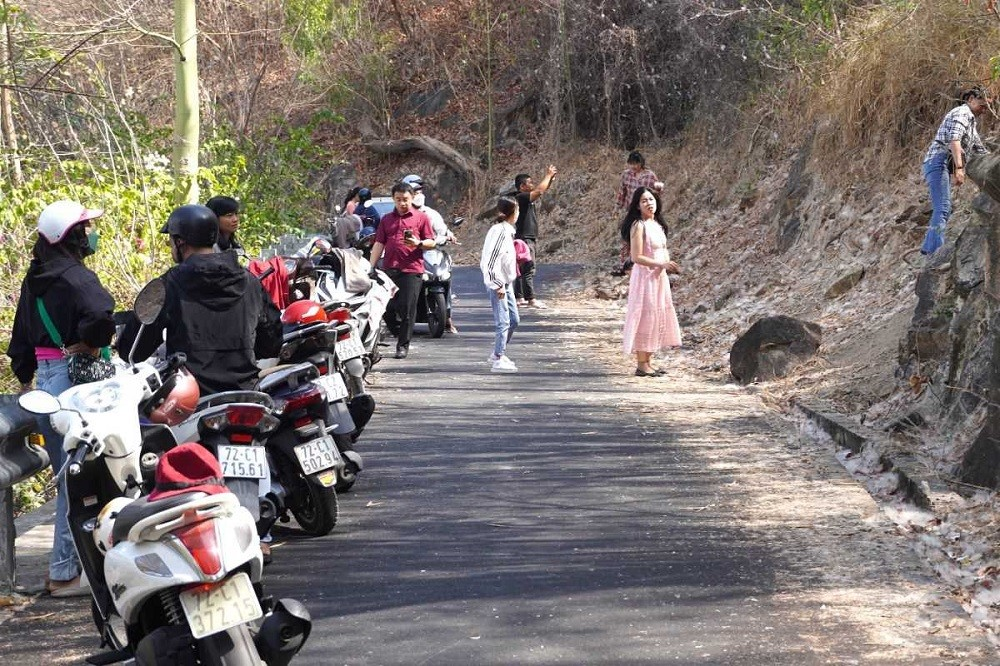 Motorbikes are a convenient way to reach the cotton tree road (Source: Collected)
For larger groups or families, cars can also reach the area, although visitors should choose less busy times and park carefully so as not to obstruct other vehicles. Alternatively, many visitors choose to park at the foot of the mountain and walk uphill, combining light exercise with the opportunity to fully enjoy the fresh, peaceful atmosphere – one of the features that gives this route its distinctive appeal compared with other check-in destinations in Vung Tau.
3. Distinctive Landscape and Ecology of the Cotton Tree Road
3.1. A Rare Natural Setting Where Mountains, Forest, and Sea Meet in Vung Tau
One of the factors that makes the Vung Tau Cotton Tree Road particularly appealing is its rare intersection of three natural environments: mountains, forest, and sea. The road lies along the slopes of Small Mountain, at an elevation high enough to provide expansive views while remaining closely connected to the surrounding natural landscape. Above, green tree canopies rustle in the wind; below, the blue sea stretches into the distance, creating a layered landscape and a sense of escape from the lively pace normally associated with the city center.
This harmonious combination makes every step along the road feel relaxing. The area is neither noisy nor crowded, but instead has a distinctive sense of stillness – a place where visitors can admire the sea while feeling the salty breeze moving through the trees. This is also why many people describe the Vung Tau Cotton Tree Road as a gentle “pause” within the coastal city, where nature appears to retain much of its original pristine character.
3.2. Cotton Blossom Season – The Highlight Behind a City-Wide “Phenomenon”
The most distinctive feature that has made the Vung Tau Cotton Tree Road famous is its blooming season – a period when the entire landscape seems to be transformed. When the season arrives, tall cotton trees burst into masses of white blossoms, with cloud-like clusters covering the branches before slowly drifting down onto the road. The scene reminds many people of falling snow, a rare sight in the tropical climate of southern Vietnam.
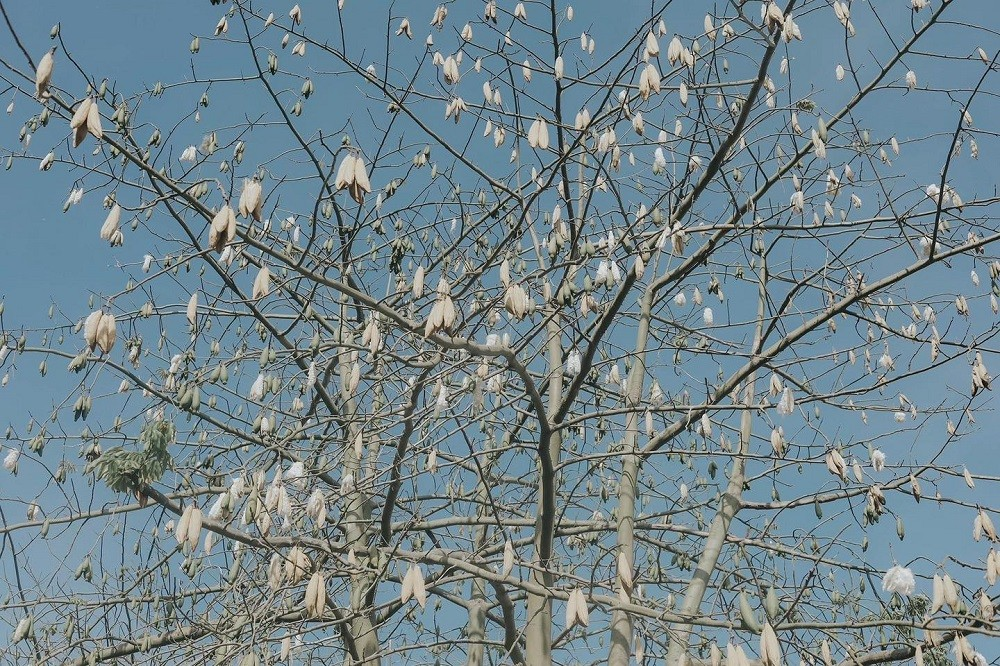
The cotton blossom season attracts many visitors to this famous destination (Source: Collected)
The short-lived appearance of the blossoms makes the road even more special. Only during a limited period does nature offer this poetic scenery, making every moment feel precious. Sunlight filtering through the trees reflects off the soft white cotton, creating photographs with a distinctive aesthetic – romantic yet clear and delicate. This fleeting beauty has helped turn the Vung Tau Cotton Tree Road into a “social media phenomenon,” attracting large numbers of visitors whenever the blooming season arrives.
3.3. A Quiet Natural Experience Away from the Noise of Everyday Life
Beyond its scenery, the Vung Tau Cotton Tree Road offers a rare sensory experience: a feeling of stillness and slowness within a lively tourist city. As you walk along the road, the sounds of traffic gradually fade, replaced by the sea breeze, rustling leaves, and an unusual sense of quiet. This tranquility makes the area an ideal stop for those who want to “change pace” and regain balance after busy days.
Many visitors choose to walk slowly along the road, breathe in the fresh air, watch individual blossoms fall, and experience the unhurried rhythm of nature. Others choose to stop their vehicles and sit quietly for a while, appreciating a sense of peace very different from the atmosphere of Vung Tau’s busier check-in destinations. This quiet, intimate, and poetic character makes the Vung Tau Cotton Tree Road more than just a photography spot; it is also a place to relax.
4. Best Time to Visit the Vung Tau Cotton Tree Road
The ideal time to explore the Vung Tau Cotton Tree Road is generally from late February through the end of May, when the weather enters the transitional season. This is when the cotton trees shed their leaves and burst into white blossoms, creating a distinctive landscape that lasts only for a short period. The most beautiful peak is typically around March and April, when the blossoms are in full bloom and fallen cotton covers the road before rain can wash it away or damage it.
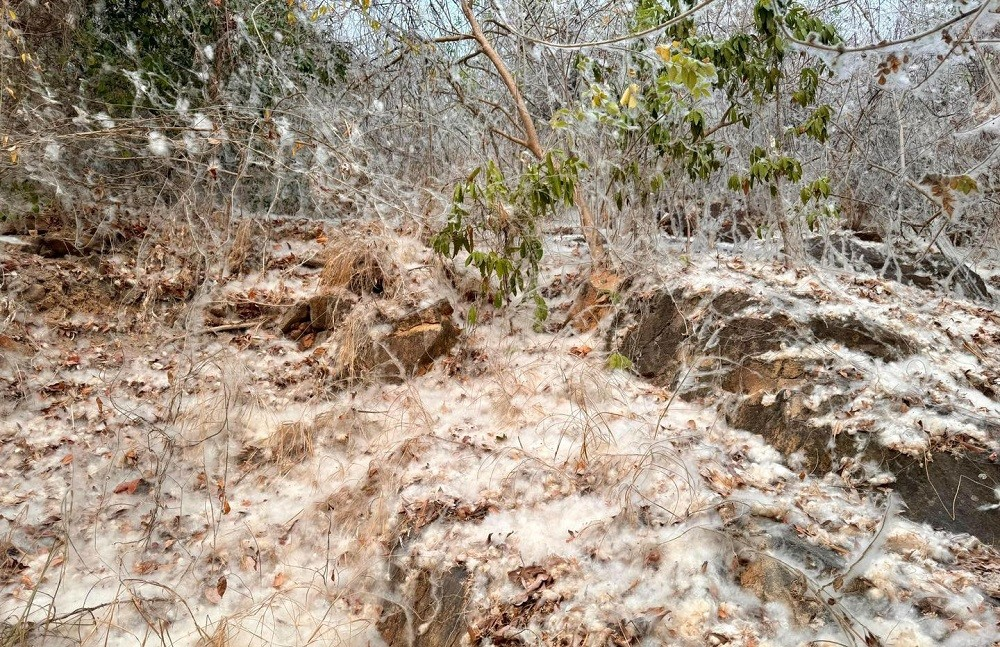
Summer is the best time to experience the cotton tree road (Source: Collected)
The weather in Vung Tau during this period is generally favorable: mild sunshine, clear skies, and relatively little rain, making it suitable for sightseeing, photography, and outdoor activities. Early morning or late afternoon is the best time to visit, when the sunlight is less intense, the sky takes on softer tones, and the lighting creates attractive effects for photographs. For those who want to combine sightseeing, photography, and relaxation, consider visiting the cotton tree road early in the morning before continuing to Vung Tau Lighthouse or taking a stroll along Front Beach to enjoy a full day in the city.
5. Useful Tips and Experiences for Exploring the Vung Tau Cotton Tree Road
5.1. Preparing Appropriate Clothing, Footwear, and Essentials
When visiting the Vung Tau Cotton Tree Road, wearing suitable clothing will make the trip more comfortable and safer. Because the route has gentle slopes and the road may sometimes be covered with dry leaves and fallen cotton that can become slippery, you should prioritize sports shoes or flat-soled shoes and avoid high heels or slippery sandals. Clothing should be lightweight and breathable, preferably made from moisture-wicking materials, as daytime weather in Vung Tau can be quite sunny. In addition, remember to bring drinking water, a hat, sunscreen, and a light scarf to protect your skin when spending extended periods outdoors.
5.2. Tips for Taking Great Photos, Avoiding Crowds, and Choosing the Best Time
To capture “clean-frame” photographs at the Vung Tau Cotton Tree Road, timing is very important. Visit between 6:30 and 8:00 a.m. or after 4:00 p.m., when the sunlight is softer, the sky is clearer, and there are generally fewer visitors. Weekdays are usually less crowded than weekends, making them particularly suitable for taking photos without too many people in the background.
For photography, choose sections with gentle curves, areas where fallen cotton is thickly scattered across the road, or spots where sunlight filters through the tree canopy to create depth in the frame. If traveling in a group, take turns photographing efficiently so as not to inconvenience other visitors or obstruct traffic.
5.3. Important Notes for Protecting the Landscape and Ensuring Safety
Although the Vung Tau Cotton Tree Road is a natural attraction, visitors should remain conscious of preserving the surrounding landscape. Do not break branches or shake trees to make blossoms fall, and do not litter or leave anything behind after taking photos. When traveling along the road, pay attention to vehicles and avoid standing in the middle of the road for extended periods while posing for photographs, especially during times when traffic is heavier.
It is also advisable to check the weather forecast before visiting and avoid days with heavy rain or strong winds, when the road may become slippery and photography conditions may be less favorable. A complete trip is not defined solely by beautiful photographs, but also by preserving the shared environment so that the Vung Tau Cotton Tree Road can retain its natural, pristine beauty for future visitors.
Amid the vibrant rhythm of the coastal city, the Vung Tau Cotton Tree Road emerges as a gentle pause where nature and people come together in a rare, pristine setting. Neither noisy nor crowded, this small road captivates visitors with the simple beauty of white blossoms, the sunshine and sea breeze of the coast, and a distinctive sense of tranquility that few other destinations can offer.
Whether you are passionate about photography, enjoy discovering new and unusual check-in spots, or simply want to find somewhere to slow down, breathe fresh air, and enjoy a moment of stillness, the Vung Tau Cotton Tree Road is sure to leave a lasting impression. If you have the opportunity to visit this beautiful coastal city during the blooming season, be sure to set aside some time to experience this distinctive route – a place where the understated beauty of nature can make anyone want to stop and linger.
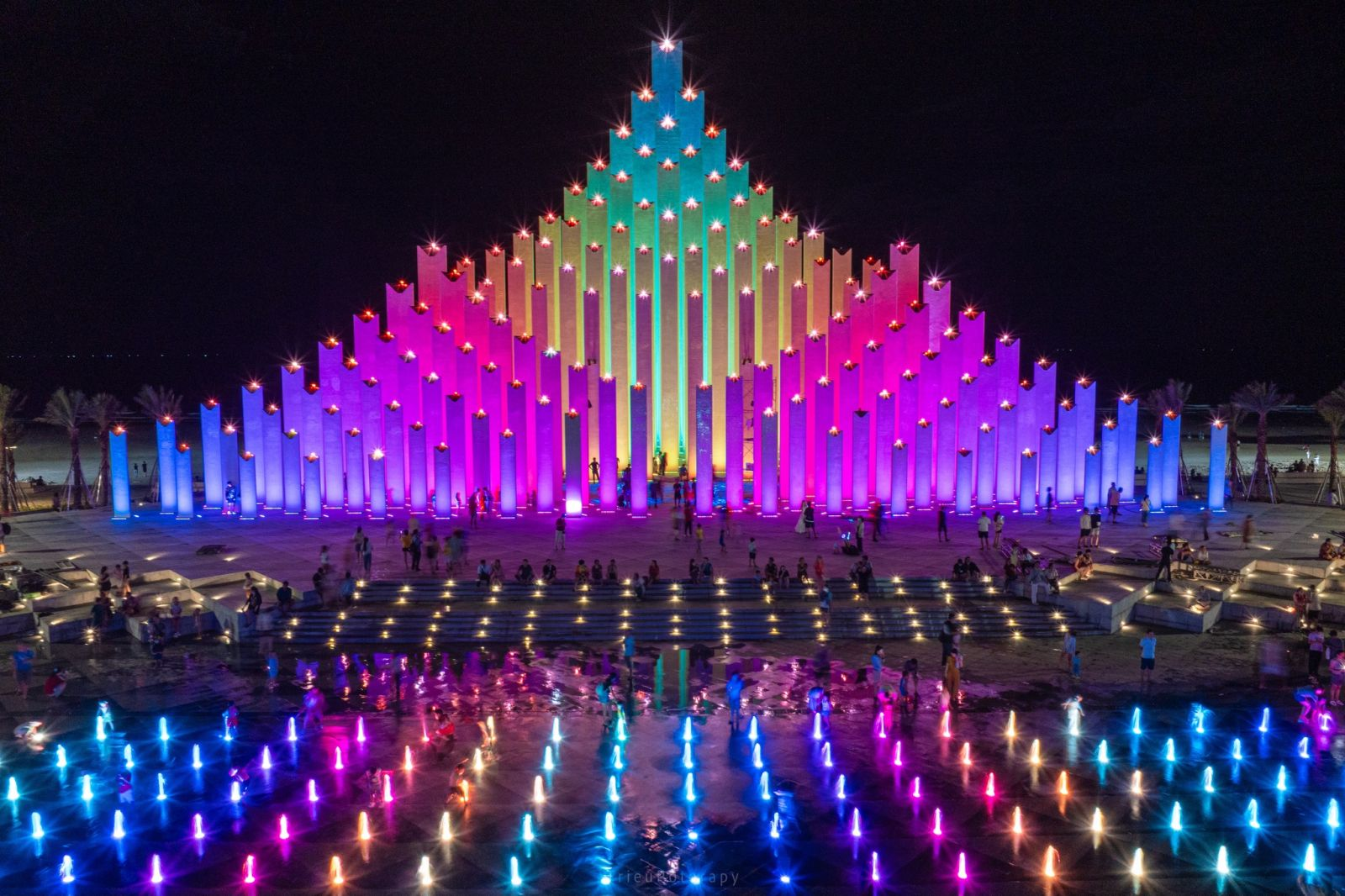 Tam Thang Square illuminated at night (Source: Collected)
If you have already made time to visit the Vung Tau Cotton Tree Road, you can easily combine it with several other notable destinations to make your trip more complete. Tam Thang Square is a new attraction featuring a spacious setting, modern architecture, and unobstructed sea views, making it ideal for walking, photography, or participating in community activities in the evening.
Not far away, Vung Tau Lighthouse offers panoramic views of the city from above and is particularly beautiful at sunrise or sunset. Nghinh Phong Cape is known for its distinctive “mountain on one side, sea on the other” setting, making it an ideal place to enjoy the sea breeze, watch the waves, and capture atmospheric photographs. Meanwhile, Back Beach is lively, with its long sandy shoreline and wide range of recreational and dining services, while Front Beach has a quieter character, making it suitable for leisurely walks as the city lights begin to come on.
Combining these destinations with the Vung Tau Cotton Tree Road will make your trip more diverse, offering both peaceful natural surroundings and the lively atmosphere characteristic of the coastal city.